
 1 day ago
16
1 day ago
16
The promotion of mountain tourism took center stage at a recent event hosted by the Ministry of Tourism, where Minister Olga Kefalogianni unveiled a comprehensive plan to position Greece’s mountainous regions as a central pillar of the national tourism strategy. This initiative is part of a broader effort for sustainable and balanced development, aiming to extend the tourist season and support local communities.
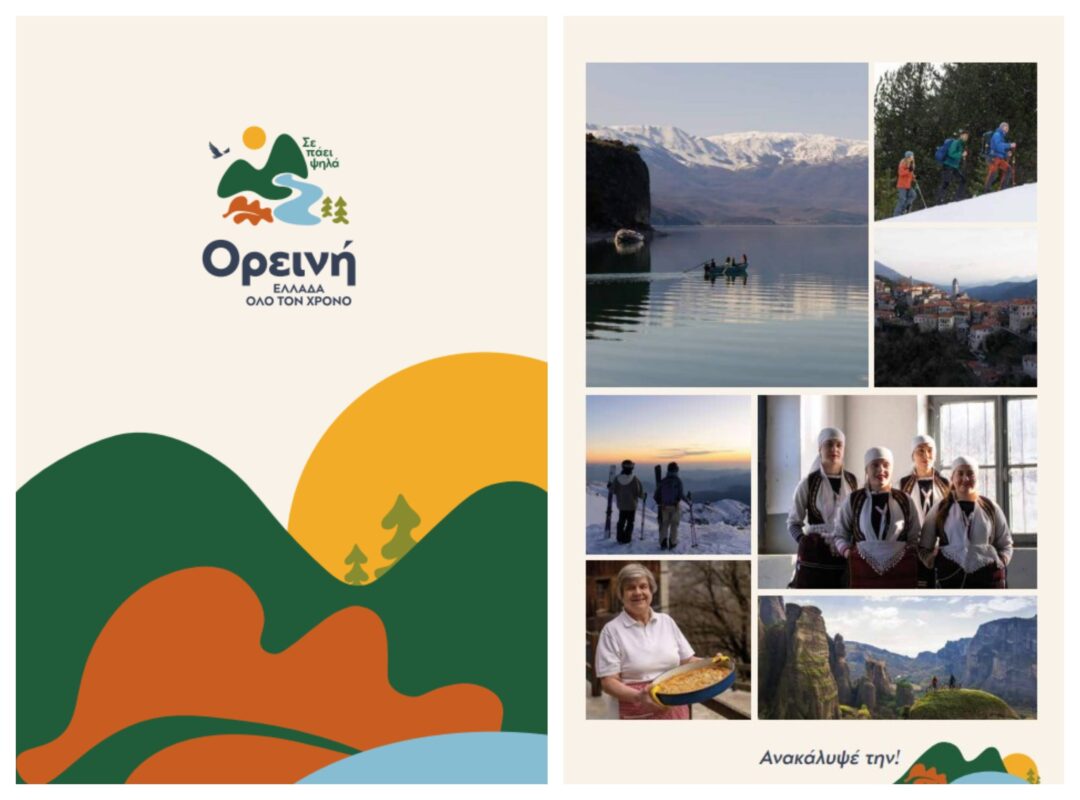
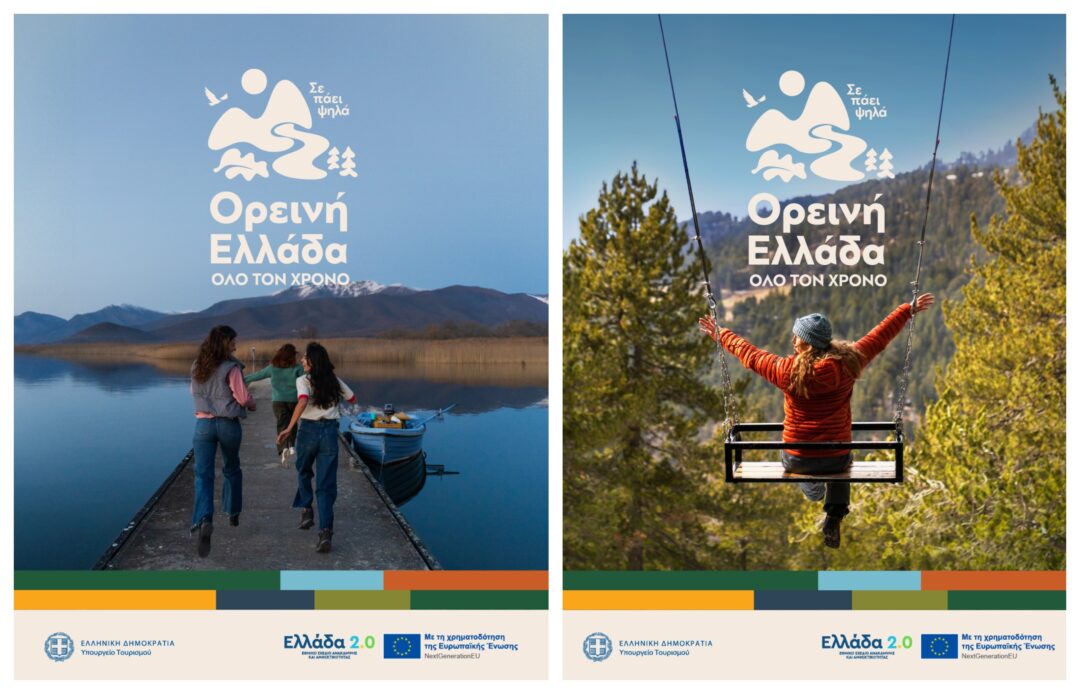
The new promotional program for mountainous Greece was presented for the first time, aiming to boost the visibility of mountain destinations and attract visitors throughout the year. With the message “Mountainous Greece. It takes you higher. All year round,” the new communication campaign focuses on the concept of authentic experience, highlighting elements such as gastronomy, culture, nature, and outdoor activities. The campaign’s message presents mountainous Greece as a destination that offers not only recreation but also inner balance and rejuvenation. As emphasized, the goal is to showcase the country’s mountainous regions as places where visitors can disconnect from everyday life and reconnect with nature and themselves. As part of the event, the campaign was introduced with the ambition of serving as a starting point for repositioning mountainous Greece on the tourism map, both domestically and internationally.
“Mountainous Greece. It takes you higher. All year round”
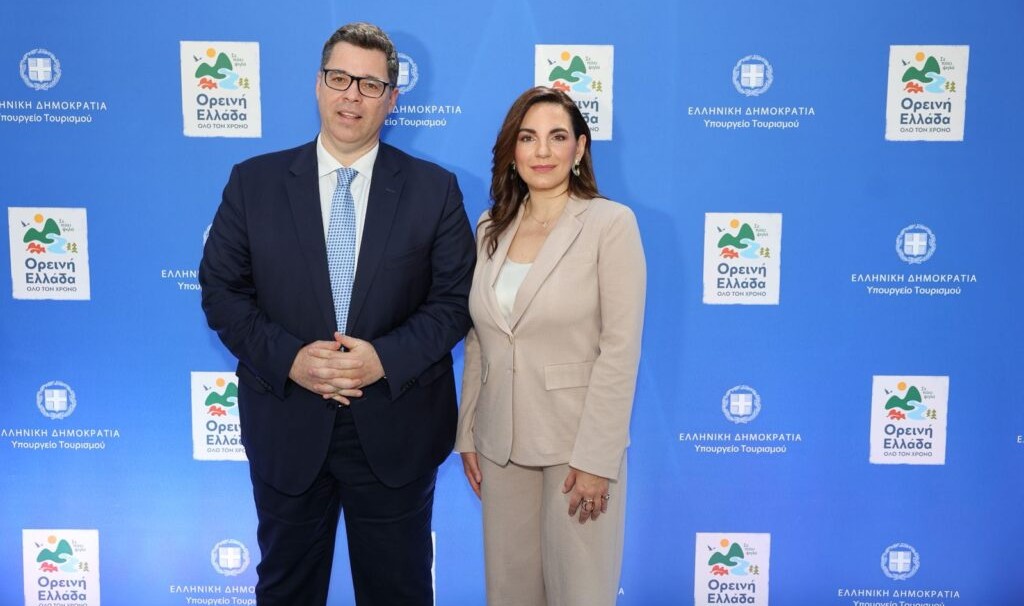
The Deputy Minister to the Prime Minister, Thanasis Kontogeorgis, in his speech highlighted the revitalization of the regions—especially mountainous areas—as one of the main drivers of the National Strategy for Regional and Local Development, a central national goal for balanced growth across the country. “Mountain tourism is not for us an ‘alternative’ option—a stopgap solution. Together with infrastructure, housing, employment, and spatial planning, it is at the forefront of our strategy for regional development,” he emphasized. Mr. Kontogeorgis stressed that mountain tourism is not an isolated activity but a catalyst that mobilizes the entire local economy, from livestock farmers and local product producers to new entrepreneurs. The qualitative upgrading of the tourism product, achieved through the methodical work of the Ministry of Tourism’s leadership, creates the conditions for keeping communities vibrant all year round.
According to the Deputy Minister, the political will to support regional and mountainous areas is confirmed by the establishment of the Special Secretariat for Mountainous Areas within the Presidency of the Government. This new structure operates as a unified institutional pillar and a hub connecting the state with the regions, aiming to implement and further develop a comprehensive national strategy based on 12 pillars that will ensure social cohesion and the revitalization of mountain communities. This strategy will be supported by funding exceeding €1 billion annually (through the Public Investment Program, ESPA, and the European Social Climate Fund), ensuring social cohesion and the upgrading of infrastructure. “Our main concern is to safeguard the right of those who choose to remain in mountainous areas to stay, work, and prosper in the place where they were born and which they love,” he emphasized.
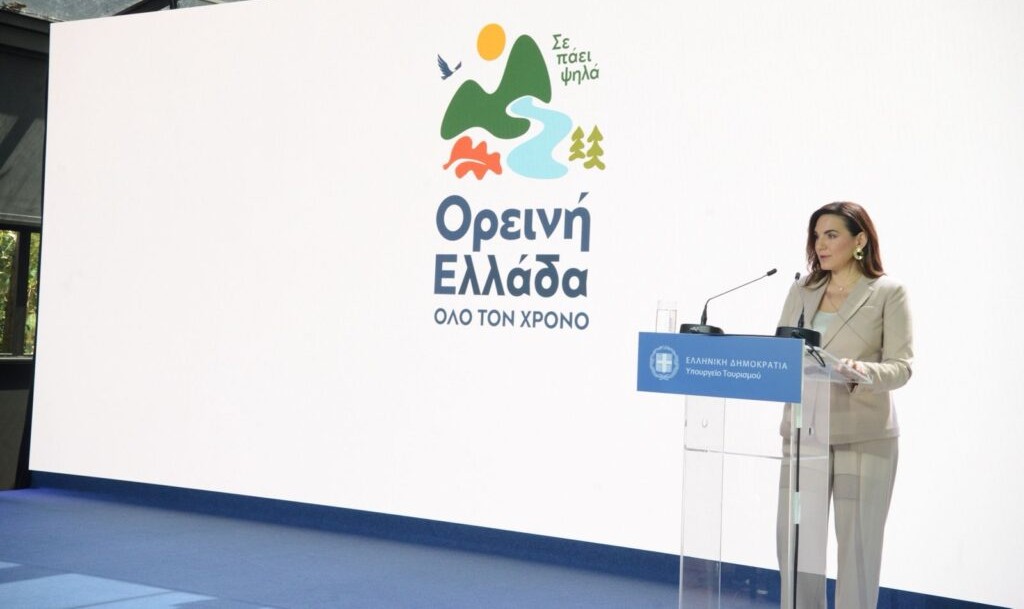
During her address, Tourism Minister Olga Kefalogianni emphasized that mountainous Greece, which covers around 80% of the country’s total land area, must be brought to the forefront. As she noted, it represents “another Greece”—less well known but equally attractive—capable of offering authentic experiences to visitors. Particular emphasis was placed on emerging trends in the global tourism market, with travelers increasingly seeking experiential travel, a connection with nature, and authenticity. In this context, the development of mountain tourism is presented as a strategic choice that meets modern demands and enhances the competitiveness of Greece’s tourism product.
“These modern demand patterns are shaping a new landscape in travel demand, based on the creation of authentic and enriching experiences,” the minister said, adding: “In this direction, focusing on the development and promotion of mountain tourism is a major opportunity for Greece. Thanks to its rugged mountainous terrain—from Thrace, Macedonia, Epirus, and the Peloponnese to Crete—our country holds a strong comparative advantage in this sector as well. Every mountainous destination encompasses a multifaceted experience, with valuable resources such as landscapes and ecosystems of exceptional beauty, centuries-old traditions, the warmth of its people, primary production, and unique local products. Our aim, therefore, is to give mountainous Greece a new, leading role—to establish it as a standalone and complete travel option or to complement our strong ‘sun and sea’ brand.”
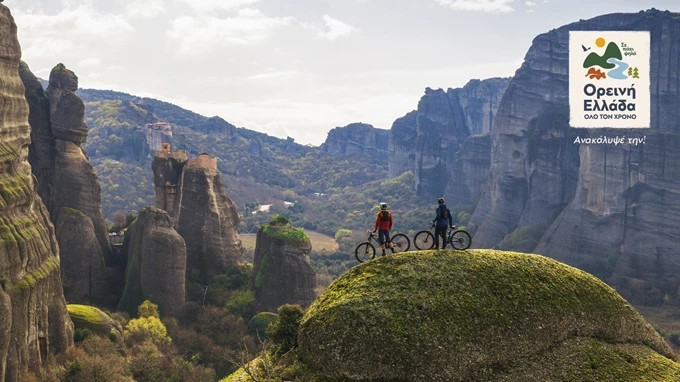
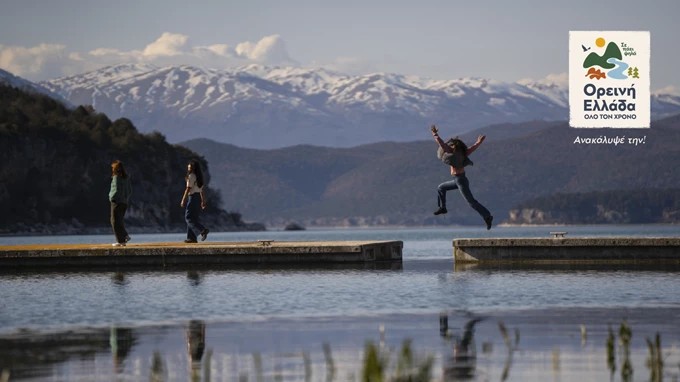
Within the framework of strengthening mountain tourism, a set of interventions at both institutional and development levels was presented. These include enabling ski resorts to operate year-round, as well as the development of alternative activities beyond skiing. At the same time, plans are being promoted for the creation of a new product, the “Sustainable Mountain Tourism Destination,” which combines tourism development with environmental protection.
Particular importance is also being placed on boosting domestic tourism demand. As announced, the “Tourism for All 2025” program offers increased incentives for holidays in mountainous areas during the winter and shoulder seasons, while a similar approach will be followed in the next program for the 2026–2027 period.
The minister noted that resources from the Recovery and Resilience Facility also play a key role in implementing the strategy. An extensive program of projects is currently underway, with a total budget of approximately €90 million, focusing on upgrading infrastructure in mountainous areas and creating a digital promotion platform.
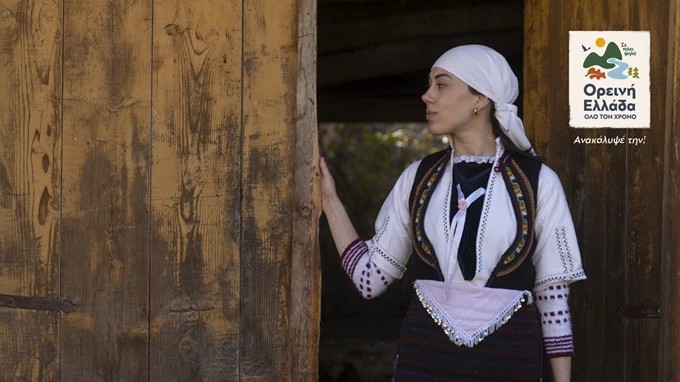
The minister concluded her remarks by stressing the importance of cooperation among all stakeholders, noting that the success of the initiative depends on synergy between the state, local authorities, businesses, and local communities. As she pointed out, the aim is to create a new, fairer, and more sustainable model of tourism development that benefits the entire country.
(Source: https://www.amna.gr, https://mintour.gov.gr)
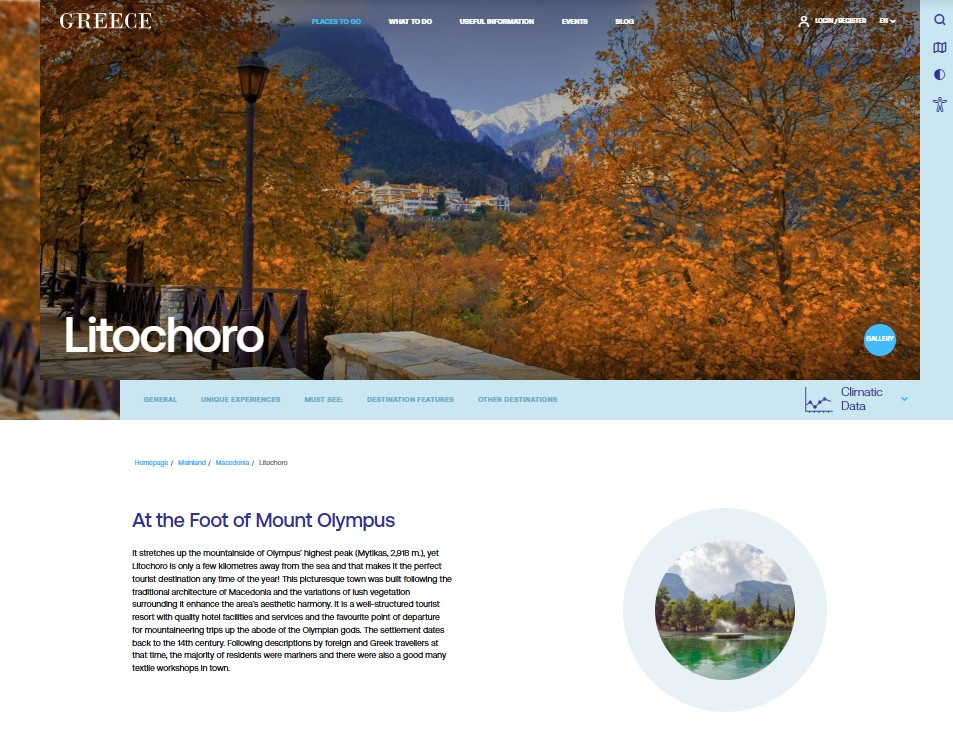
VisitGreece.gr is the official tourism portal of Greece, operated by the Greek National Tourism Organisation (GNTO). The website serves as the primary digital platform for promoting Greece as a year-round travel destination. It provides comprehensive information on destinations, activities, events, and travel planning, including transportation, visas, and safety tips. VisitGreece.gr also offers inspiration for themed trips, itineraries, and unique experiences, helping international visitors easily explore and plan their stay in Greece.
Read also:
Greek mountains – a place for year-round tourism
Zagori Cultural Landscape: Α new entry in UNESCO’s list
Olympus: The mountain of the godsMountainous Arcadia: A ‘mythical’ destination in the Peloponnese
TAGS: ECONOMY & DEVELOPMENT | GREEK MOUNTAINS | LOCAL | REGIONAL | TOURISM



 Greek (GR) ·
  English (US) ·